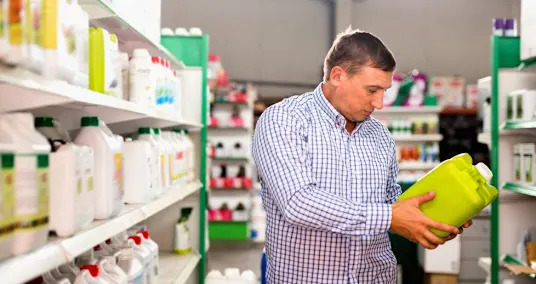
Brazil’s reverse logistics system for pesticide packaging is entering a new operational phase, as a nationwide itinerant collection programme for empty agrochemical containers begins in March 2026.
The initiative, known as recebimento itinerante, supports the country’s established reverse logistics model for empty pesticide packaging, widely regarded as one of the most advanced globally.
It aims to improve collection rates in rural areas by bringing temporary drop-off points closer to farmers, reducing transport barriers and ensuring compliant disposal.
The programme forms part of Brazil’s wider regulatory push on reverse logistics and sustainable packaging, including stricter national requirements for plastic packaging recovery and recycling introduced in 2026.
Itinerant collection expands access
The 2026 schedule covers multiple municipalities, with temporary collection points set up on specific dates to receive empty pesticide containers from rural producers.
The system targets regions where permanent facilities are not easily accessible. By decentralising collection, authorities aim to increase participation and reduce improper disposal.
Farmers are required to return containers after proper preparation, including triple washing and perforation, in line with Brazilian environmental rules. Only correctly handled packaging is accepted at collection points.
Local agricultural authorities state that the mobile format “facilitates delivery in more remote areas” and helps ensure compliance with environmental standards. The approach also supports traceability within the reverse logistics chain.
Brazil has developed a structured system for this waste stream over several decades.
Industry data shows that large volumes of crop protection packaging are already recovered and processed through national schemes, with most material recycled and the remainder safely treated.
Reverse logistics under regulatory pressure
The rollout of the 2026 collection programme comes as Brazil strengthens its regulatory framework for packaging waste management and circular economy practices.
New federal rules require companies placing plastic packaging on the market to meet rising recovery targets, starting at 32% in 2026 and increasing over time.
These measures are aligned with the country’s National Solid Waste Policy and introduce stricter obligations for traceability, reporting and auditing across supply chains.
Reverse logistics systems must now demonstrate measurable performance, including:
tracking packaging volumes placed on the market
documenting collection and recycling rates
submitting audited annual reports
For agrochemical packaging, which is already subject to specific regulations, the itinerant collection programme complements existing infrastructure and helps maintain compliance levels.
A regulatory analysis published in early 2026 highlights growing requirements for “traceability, classification, auditing and reporting” within Brazil’s reverse logistics systems.
Implications for packaging and agriculture sectors
The expansion of mobile collection points reflects broader trends in sustainable packaging and extended producer responsibility (EPR) across Latin America.
Brazil remains one of the largest global markets for crop protection products, with high volumes of pesticide use driving demand for robust packaging recovery systems.
For packaging manufacturers and supply chain stakeholders, the 2026 programme signals:
continued enforcement of closed-loop systems for hazardous packaging
increased scrutiny of compliance in rural and hard-to-reach areas
integration of agricultural packaging into wider circular economy targets
The initiative also highlights the operational complexity of reverse logistics in large agricultural markets, where geography and infrastructure can limit access to fixed collection points.
By expanding itinerant collection, authorities aim to close these gaps while maintaining high recovery rates. The model may offer a reference for other regions developing pesticide packaging recycling and rural waste management systems.
As Brazil tightens national packaging regulations and scales collection infrastructure, reverse logistics is expected to remain a central pillar of its environmental and packaging policy framework.
"Brazil expands pesticide packaging reverse logistics" was originally created and published by Packaging Gateway, a GlobalData owned brand.
The information on this site has been included in good faith for general informational purposes only. It is not intended to amount to advice on which you should rely, and we give no representation, warranty or guarantee, whether express or implied as to its accuracy or completeness. You must obtain professional or specialist advice before taking, or refraining from, any action on the basis of the content on our site.
NEUESTE BEITRÄGE
- 1
 Holiday season sees uptick in norovirus cases, according to CDC26.11.2025
 - 2Artemis II astronauts say they're "ready to go" for moon launch29.03.2026
- 3Damaged launch pad: How long before Russia can send astronauts to the ISS again?04.12.2025
- 4The 10 Most Progressive Logical Disclosures07.07.2023
- 5How to watch ‘The Traitors’ Season 4: Premiere date, episode release time, full cast list and more07.01.2026



Ähnliche Artikel
- Best Augmented Simulation Ride: Which One Feels Generally Genuine?01.01.1
- Three arrested in Paris after attempted bomb attack outside Bank of America29.03.2026
- UN rights chief says Israeli policy in West Bank 'resembles apartheid system'07.01.2026
- Yemen's Houthis ready to join Iran war if needed, raising new shipping risk27.03.2026
- New studies of old dogs help scientists understand where they came from25.03.2026
- Huge solar flare no threat to Artemis 2 astronaut launch to the moon, NASA says30.03.2026
- Genome study reveals milestone in history of cat domestication27.11.2025
- She loves to give experiences. He goes for sentimental gifts. They ask an expert: What is the perfect holiday present?08.12.2025
- ADHD drugs work, but not the way experts thought12.01.2026
- Whale stranded off Germany for days found stuck again28.03.2026